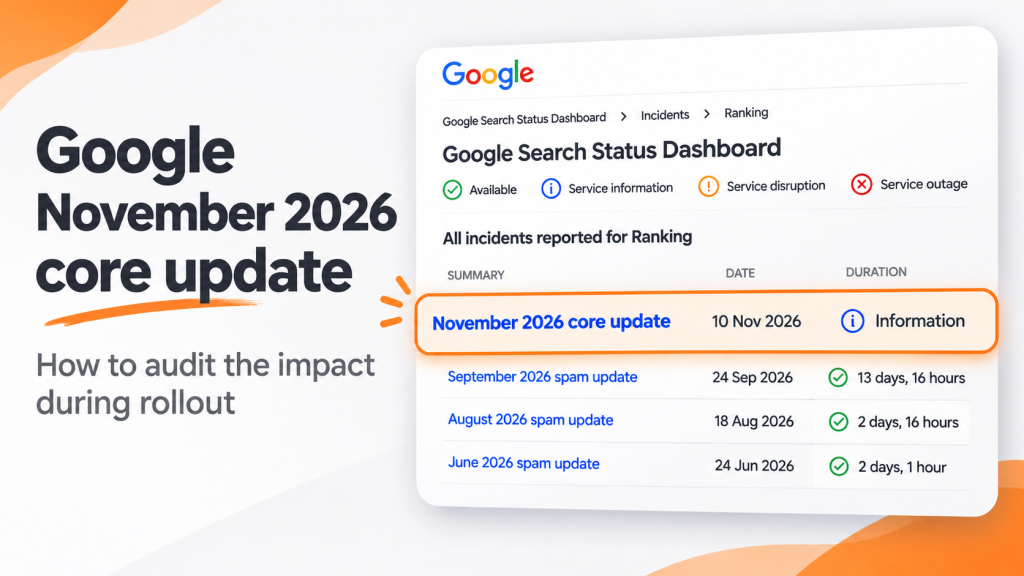
Most of a Texas law firm’s website never has to be filed with the State Bar. The homepage might. That one exception, in Rule 7.05, is why a personal injury firm should think twice before an agency rewrites the homepage on a Friday afternoon. We looked at four Houston law firm SEO pages while planning this piece, and only one of them mentions the Texas advertising rules, in passing, without ever saying what they are. Strange, considering how much rides on them.
Start with the map
Before the blog posts and the backlinks, open your Google listing and look at it the way a stranger would. AttorneySync recorded the screens of 320 people shopping for a personal injury lawyer in 2025. (It sells legal marketing, so treat this as one vendor’s study and not gospel.) On mobile searches like “personal injury lawyer near me,” the map pack showed up 77% of the time. Two-thirds of them said they’d rather call than fill in a form, 67% contacted at least two firms, and 40% said they’d move on to another lawyer straight away if nobody got back to them.
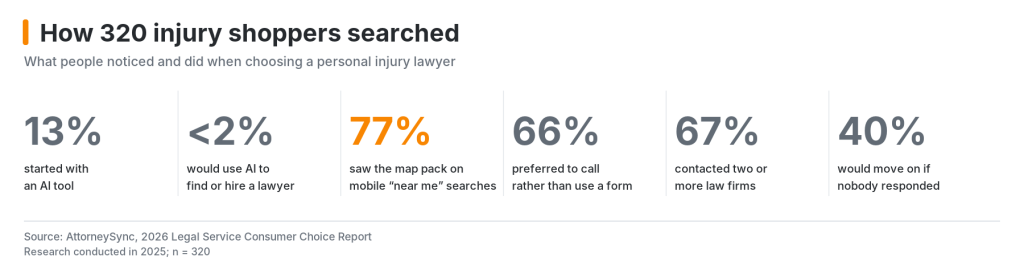
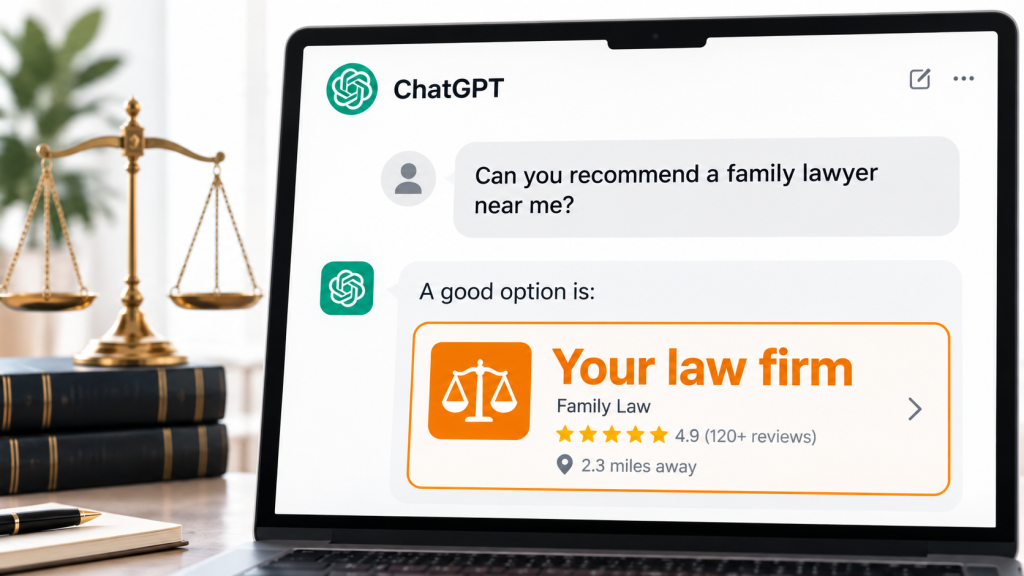
People do ask ChatGPT first, sometimes. In that study 13% started there. But fewer than 2% said they’d use AI to find or hire a lawyer, and AttorneySync’s own summary is “discover on ChatGPT, hire on Google.” So the listing still does the closing. The results people clicked had a median rating of 4.9 stars, and the clicked Local Services Ads profiles had a median of 774 reviews (paid listings, so call that a ballpark). At 4.6 stars and a few dozen reviews, you’re behind. Not out of it. Behind.
The homepage is the one that bites
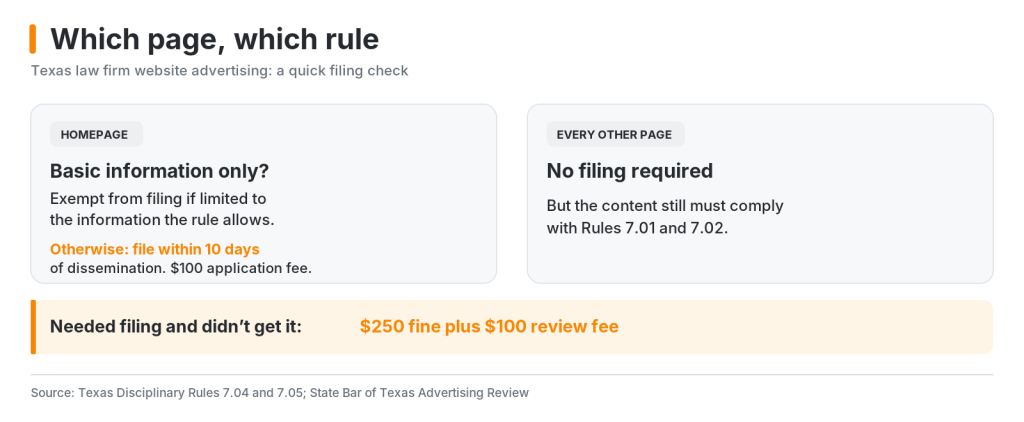
In plain terms, Rule 7.05 exempts most website content from filing. The homepage is the exception, unless it sticks to the basic facts the rule lists. Once it starts selling, filing becomes a real question, and that one belongs to your lawyer. The application costs $100. Skip a filing you needed and the State Bar can fine you $250 plus a $100 review fee, and if you get challenged, proving the ad complies is your job. The rest of the site isn’t off the hook either: Comment 2 says the entire thing still has to meet Rules 7.01 and 7.02.
Picture a three-lawyer firm in Pasadena (we made it up) rewriting its homepage over a weekend. New headline: “Over $20 million recovered for Houston families.” New title tag: “No fee unless we win.” Rule 7.01(a) bars statements substantially likely to create unjustified expectations about results, and Comment 5 says even a true past result can mislead if readers take it as a forecast for their own case. Rule 7.02(c) says an ad that mentions contingent fees has to say whether the client still owes expenses like litigation costs. We’d hold a title tag to that standard too, though that’s our reading and not the rule’s text.
Neither fix takes long. They get missed because the update goes live on a Friday and the lawyer finds out Monday.
Which is why we’ll say something that costs us deals: a Houston injury firm should publish fewer pages than a volume content plan calls for. Every page is an advertisement the responsible lawyer answers for. Twenty pages an attorney has read beat two hundred nobody has.
Want to see how your listing and reviews stack up against the firms you compete with? We’ll compare your Google Business Profile, reviews, website and search visibility against your five main competitors and show you where the gaps are.
Write about the streets
The easy page to write is the I-45 one. But Axios counted 300 traffic deaths in Houston in 2025 (preliminary TxDOT data), down from 341 the year before, and of 280 fatal crashes, 154 happened on city streets and 90 on interstates. Ninety-nine of the dead were pedestrians.
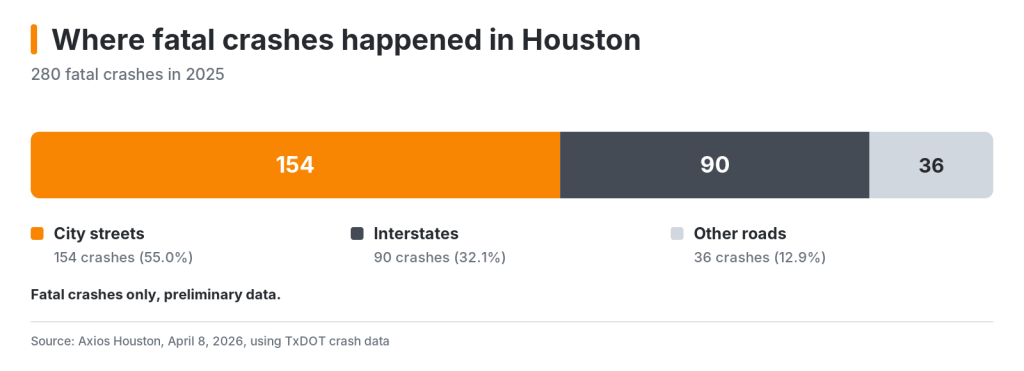
Fatal crashes are a sliver of injury work, so don’t read too much into the split. Do use it as a nudge to open your own files, sort your signed cases by where the crash happened, and write about the intersections that keep coming up. A page about the corner where your clients keep getting hurt tells a reader you actually work in this city.
Neither fix takes long. They get missed because the update goes live on a Friday and the lawyer finds out Monday.
Which is why we’ll say something that costs us deals: a Houston injury firm should publish fewer pages than a volume content plan calls for. Every page is an advertisement the responsible lawyer answers for. Twenty pages an attorney has read beat two hundred nobody has.
The listing has rules too
Google wants the name on your listing to match the sign on your door. No keywords, no service descriptors, and no rented mailbox or virtual office nobody staffs. So “Houston Car Accident Lawyers” for a firm called something else breaks the rule. So does a Katy profile at a suite nobody works in. Texas Rule 7.02(a) also asks ads to name the responsible lawyer and the primary practice location, so a fake satellite office buys you trouble twice, once with Google and once with a rule that expects your ads to say where you actually practice. Easy to check.
Ask where the leads come from
Texas Penal Code 38.12 already made it an offense to pay someone to solicit employment. H.B. 2733, effective September 1, 2025, added solicitation by social media direct message and other electronic communication, and it reaches false or misleading messages sent that way. We aren’t lawyers, so whether a given vendor’s lead model crosses the line is a question for yours. Ask the vendor where each lead came from before you ask anything else.
With search, the answer is short. The person looked for you.
Before you sign with anyone
Canopy Media has offices in Texas and Ontario. We’ll read your homepage, title tags and Business Profile line by line and hand your attorney a marked-up list of anything that needs a compliance call. We flag; the attorney decides. And if the real leak is a phone nobody answers, we’ll tell you that first.