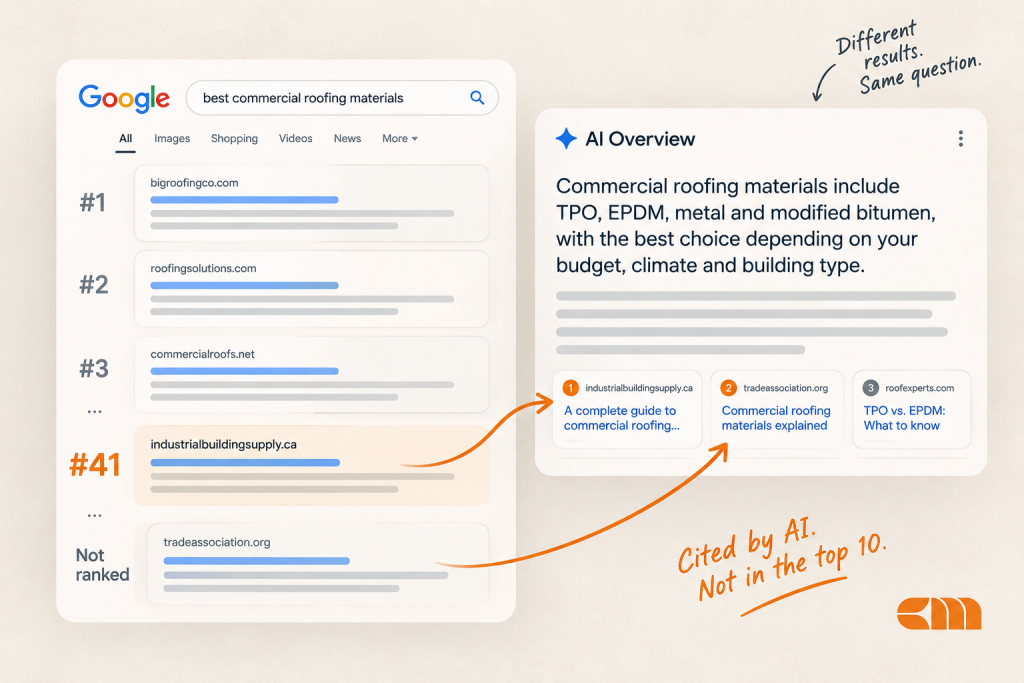
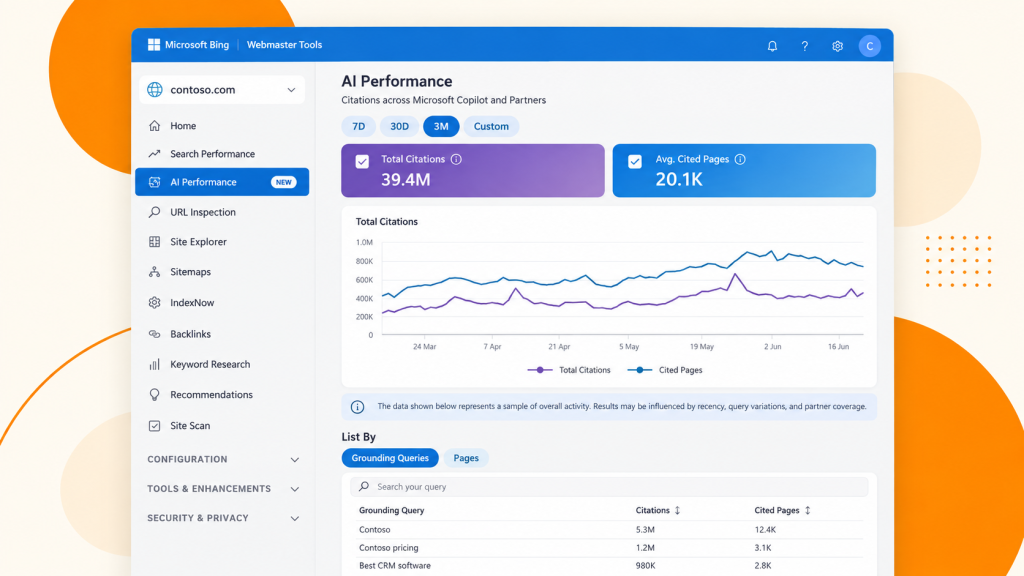
In February, Microsoft shipped something to Bing Webmaster Tools that Google still has no answer to. It’s called the AI Performance report, it’s free, and it shows how often your pages are used as sources in AI answers across Copilot and Bing’s own AI summaries. Total citations. Which of your URLs get cited most. And the phrases the AI was actually searching when it went looking for content, which Microsoft calls grounding queries.
That last one is the interesting part. Half the agencies in this industry are currently selling AI visibility tracking as a premium line item, assembled out of scraped samples and educated guessing. Microsoft is giving a workable version of it away inside a tool most businesses have never once logged into.
Which brings us to the objection, and it’s always the same objection.
Yes, we know, nobody uses Bing
Bing’s worldwide search share in August was 4.5%, against Google’s 91.1%. That figure is accurate and it is also the most misleading number in search marketing, because it is dragged down almost entirely by phones. On mobile, Bing sits at 0.6%. That isn’t a verdict on quality. It’s a verdict on which search box ships with the device in your pocket.
On desktop, Bing runs at 8.84%. In the United States it’s 8.92%. In Canada it’s 9.56%, the strongest share Bing holds anywhere in the world.
Now picture who actually buys from our clients. A plant manager shortlisting suppliers. A practice administrator comparing vendors. A partner at a firm checking out a contractor before a call. That research happens at a desk, usually on a work-issued Windows machine, often in Edge, because that is what IT handed them and nobody changes the default. For a manufacturer in Ontario selling to other businesses, the honest exposure number has very little to do with 4.5%.
The thing that changed the maths
Bing’s index does not only feed Bing. It feeds Copilot, which Microsoft has wired into Windows, Edge and Microsoft 365. It feeds DuckDuckGo, which has sourced its results from Bing for years.
That changes what absence costs. Being missing from Bing is not forfeiting four percent of search traffic. It’s being structurally ineligible for a whole category of AI answers, because a system that retrieves from an index cannot retrieve a page that isn’t in the index. No amount of content quality fixes that. You are not losing on the merits, you are not in the room.
And unlike most of what gets sold under the AI visibility banner, this part isn’t speculative. There’s no debate about whether Copilot grounds its answers in Bing’s index. It does, Microsoft says so, and now Microsoft will also tell you when it happened to your pages.
The setup is genuinely boring, which is the point
The slightly embarrassing part, for anyone who has been putting this off, is that neither tool asks you to build anything from scratch.
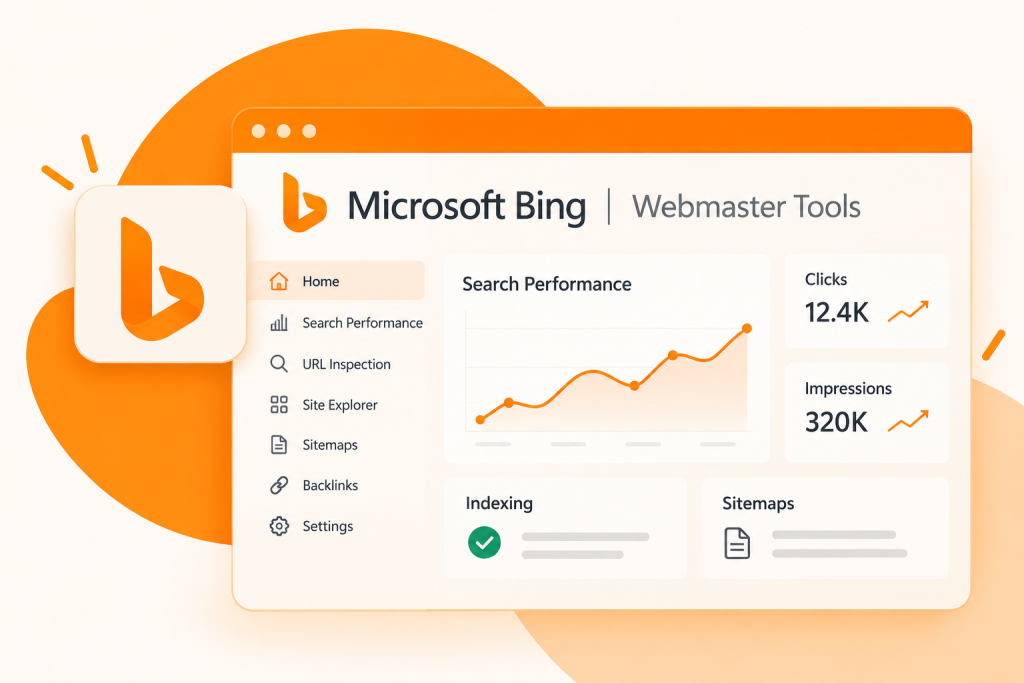
Bing Webmaster Tools lets you verify and pull your sites straight through Google Search Console, so the site list and the historical data come across rather than being rebuilt by hand. Bing Places does the same trick with Google Business Profile, importing the listing you already maintain rather than making you retype your hours into a second set of forms. You still verify, and you still want to check what came across, because imports are never quite perfect. But the realistic cost per client is somewhere around twenty minutes.
Twenty minutes buys three things. Your pages get indexed by Bing, which is the entry ticket to everything above. You get Bing’s search performance data, which is a genuinely useful second opinion when Google Search Console’s numbers look strange and you want to know whether the problem is your site or Google’s reporting. And Bing Places puts the business into Bing Maps and local results, which is where Copilot looks when somebody asks it for a contractor near them.
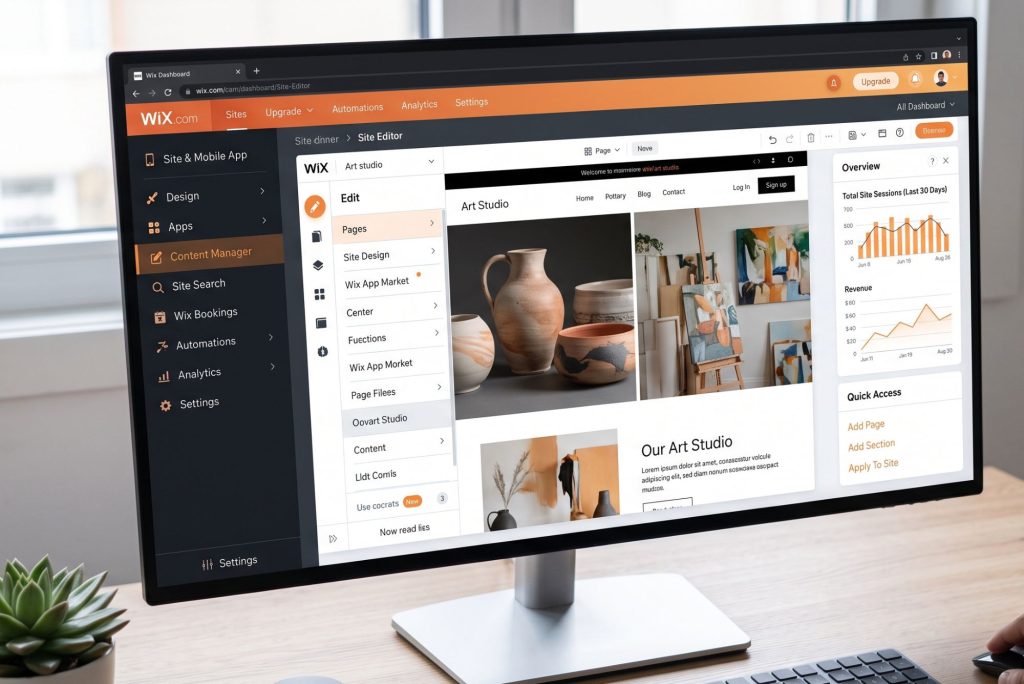
While you’re in there, turn on IndexNow. It’s an open protocol Microsoft and Yandex launched in 2021 that lets you ping search engines the moment a page changes, instead of waiting to be crawled. Bing, Yandex, Naver and Seznam support it. Google does not, and has said it prefers its own approach. By 2024, 17% of clicked URLs on Bing were coming through IndexNow, which is a striking number for a protocol most people have never configured. If the site runs on WordPress, Wix or Shopify, or sits behind Cloudflare, it’s a plugin or a toggle rather than a project.
What this won't do
We’d rather say this part plainly than have a client discover it in a report three months from now.
This will not transform anyone’s traffic. Bing referrals will stay a modest share of the total, and if someone presents Bing setup to you as a growth strategy, they are padding a scope of work. Treat it as cheap insurance and free measurement, which is what it is.
The AI Performance data also comes with Microsoft’s own caveat attached: grounding queries are a sample, not a complete record of citation activity, and the report is still in public preview. So it tells you the direction and the shape of what’s happening. It is not a ledger, and nobody should build a performance bonus on it.
And it only covers Microsoft’s surfaces. Copilot and Bing’s AI summaries, not ChatGPT, Gemini or Perplexity. Useful, partial, free. All three of those words matter.
What we do about it
Every client we onboard gets added to both tools, with the data imported from Search Console and Google Business Profile so nothing has to be rebuilt. We check what came across, because imports drop things. We turn on IndexNow. And we pull the AI Performance report into reporting alongside everything else, so citations become a number on a page you can watch over time rather than a thing your agency assures you is going well.
It takes us under half an hour per site. It is not the most impressive work we do. It is, reliably, some of the cheapest ground anyone gains all year.
If you want to know whether your own sites are set up properly, put your domain in the form below. We’ll check and tell you what we find.